
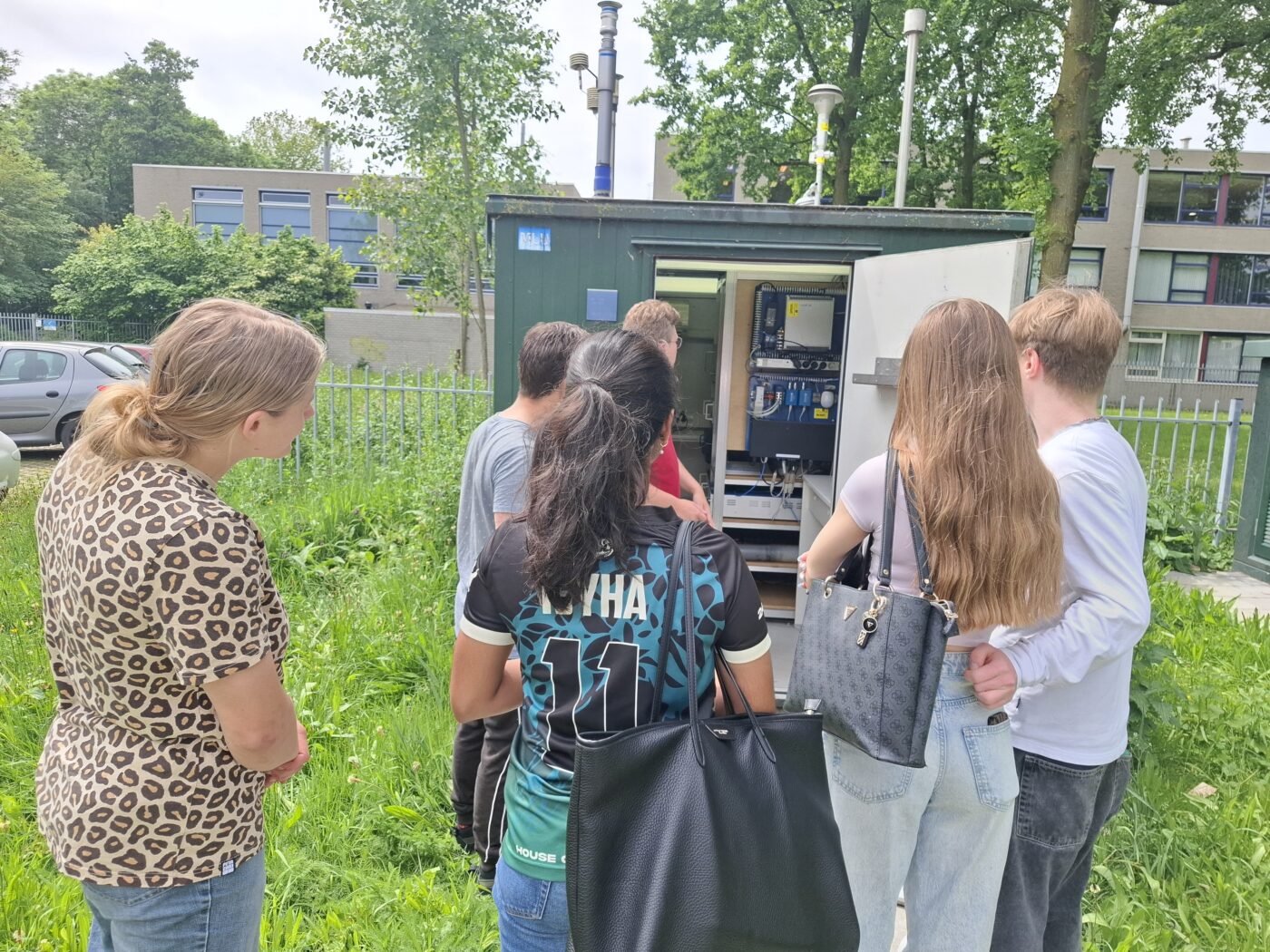
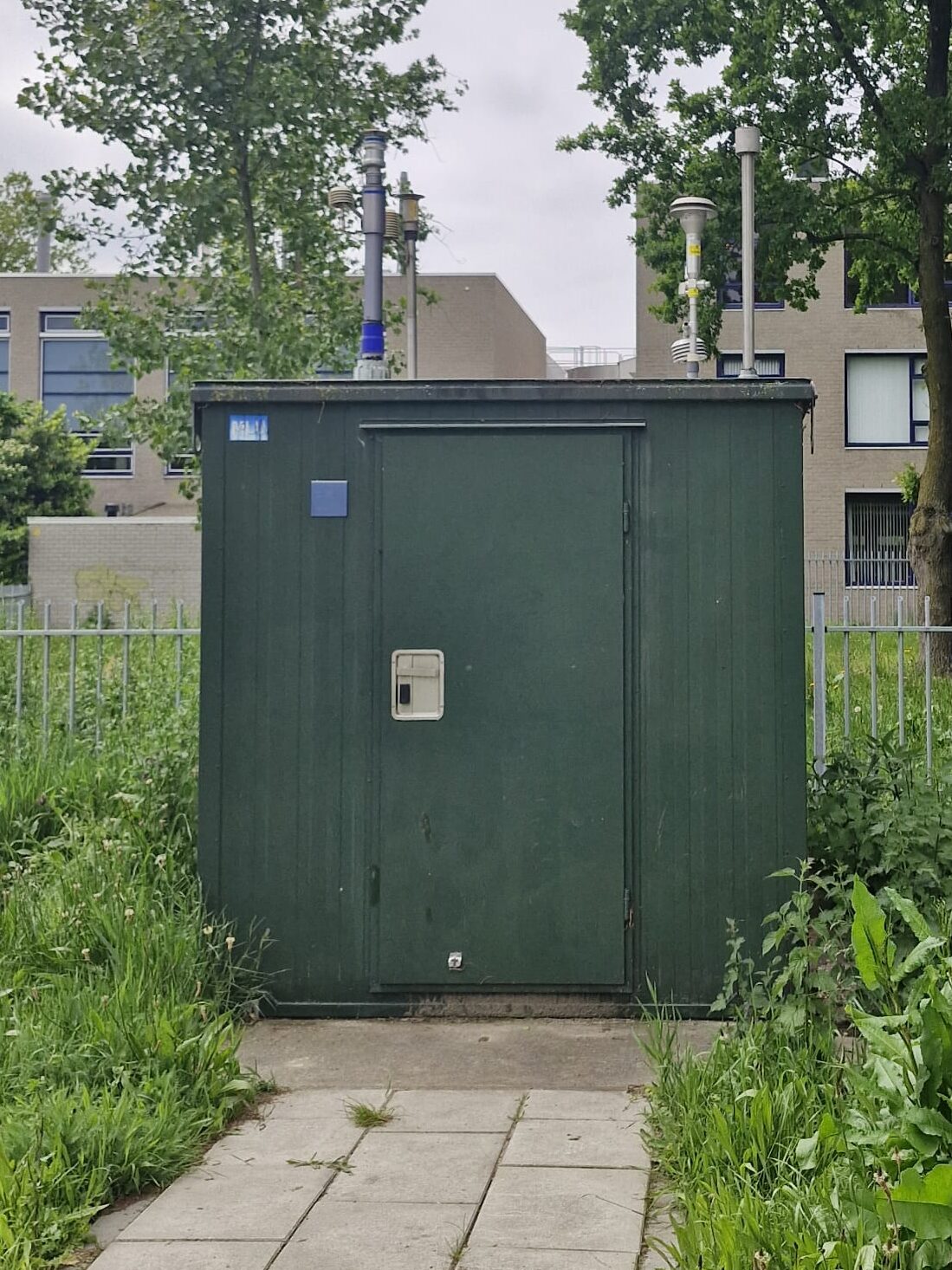
This past week, several ESSET students had the opportunity to visit an air quality monitoring station in Breda as part of the Quarter 4 Air Quality module. Guided by a former Avans alumnus, the visit gave students a chance to see how the theoretical knowledge gained in the lectures is applied in real-life environmental monitoring.
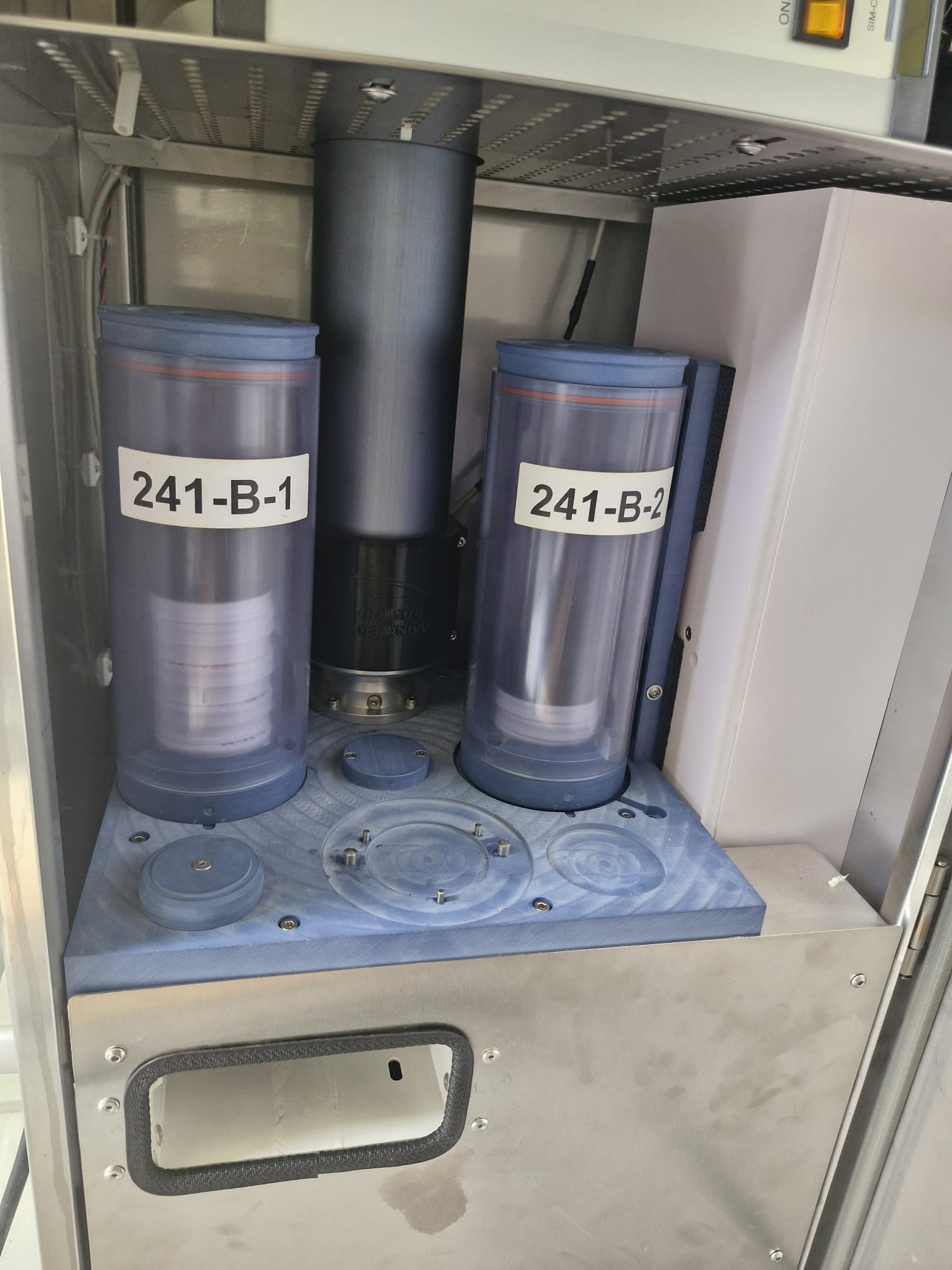
The station automatically measures air pollution levels, including particulate matter such as PM10 and PM2.5 by weight. It collects 14 air samples every minute, filters them, and stores them for later laboratory analysis. To obtain a more reliable interpretation of the data, the sample concentrations are averaged per hour rather than using extracted minute-by-minute values. Technicians only need to visit every two weeks to replace filters and collect samples, with the rest of the process running fully automatically.
Students also saw several advanced instruments in action, including ozone and NOx analysers, gas calibration systems, and the BAM 1020 particulate monitor.
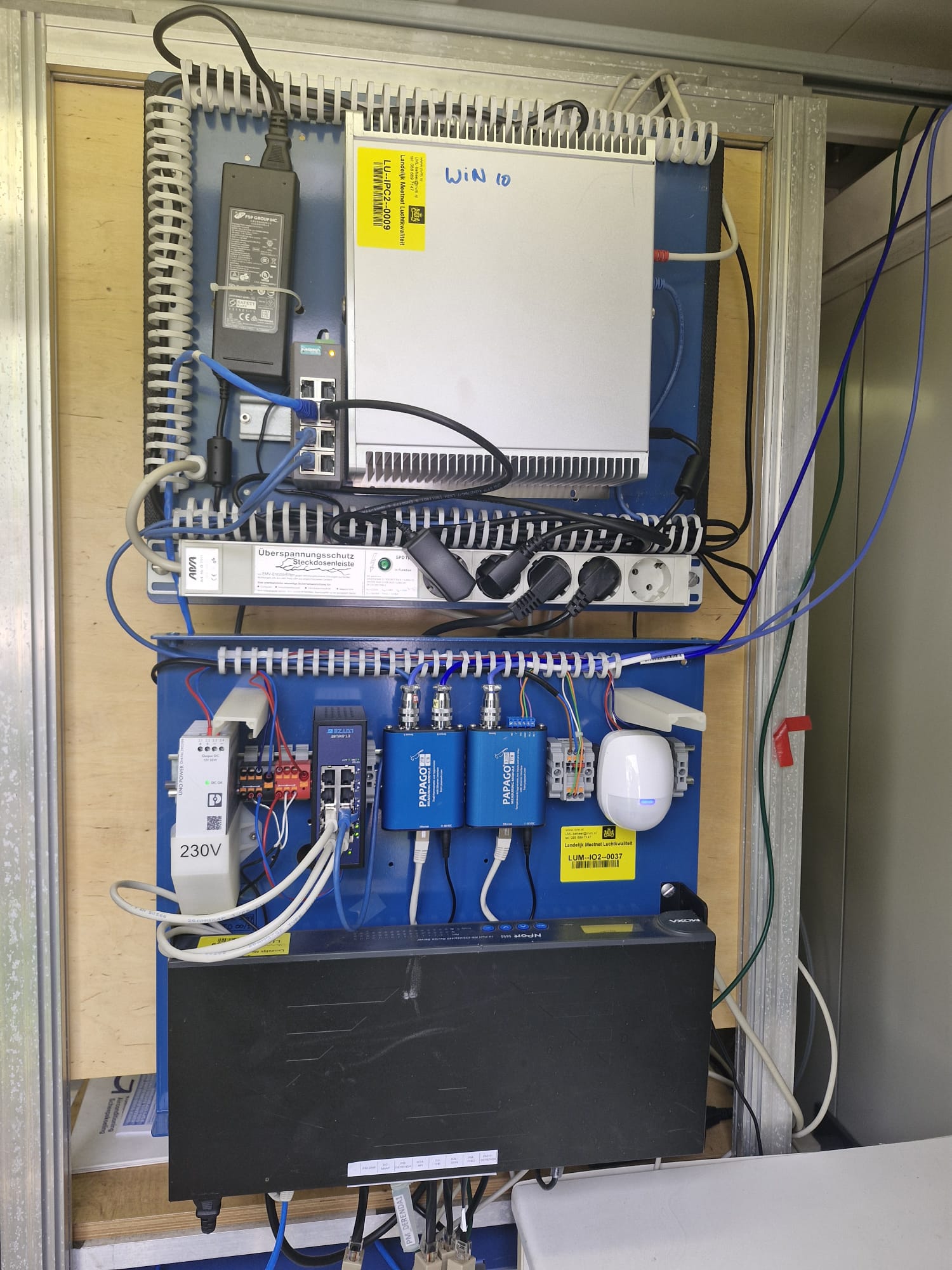
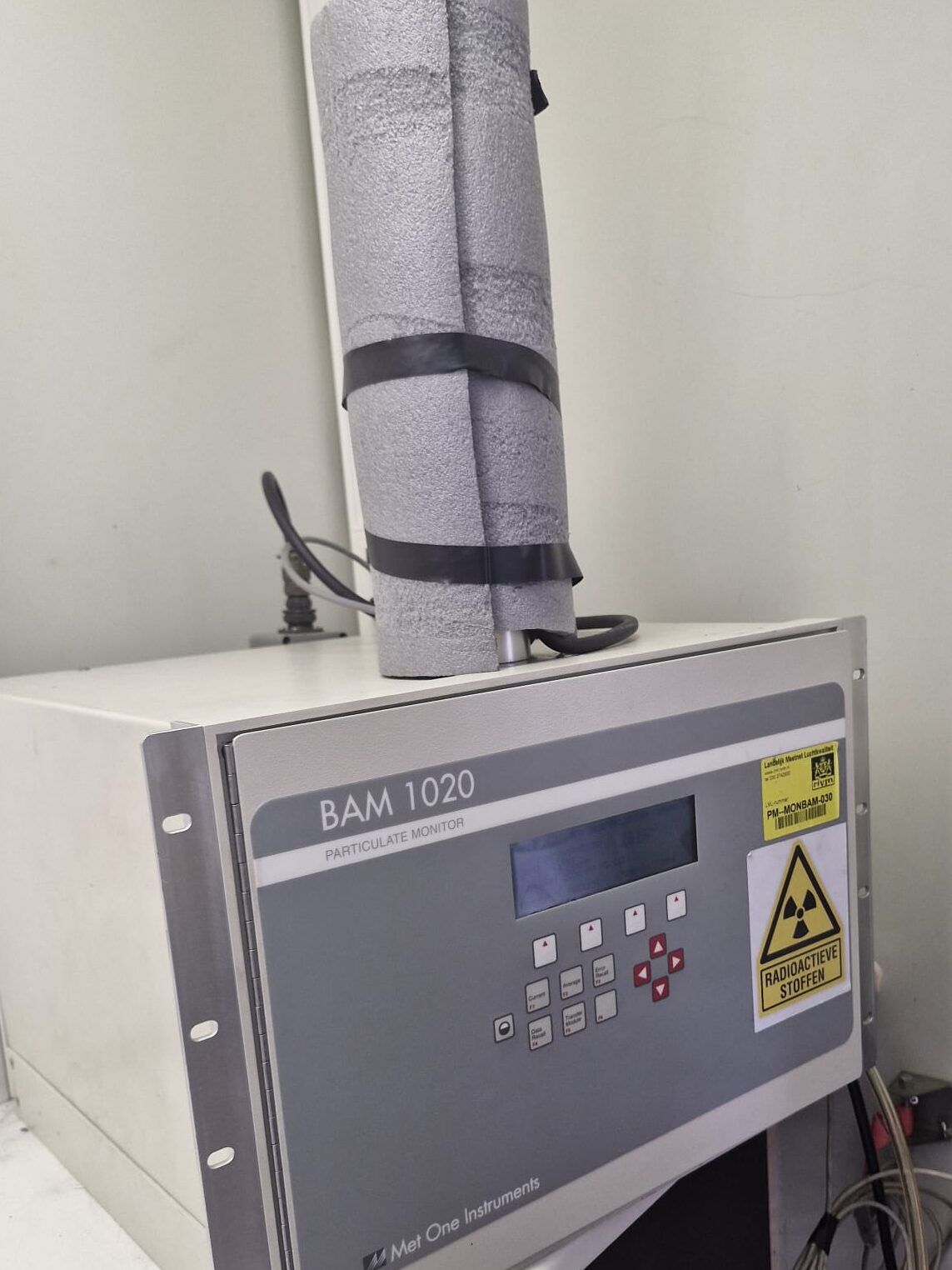
Additionally, the monitoring station analyses the ground-level ozone, NOx and SO2 concentrations in the atmosphere. These gases are known for having adverse human health effects, such as worsening lung function and causing respiratory diseases. SO2 specifically contributes to acid rain, while ground-level ozone and NOx are major components in the formation of photochemical smog. These gases are a result of post-combustion emissions, and their adverse effects highlight the importance of air quality monitoring for environmental and societal safety.
One of the most interesting insights from the visit was hearing about upcoming upgrades planned across the Netherlands throughout 2026. These new systems aim to improve efficiency by combining sampling and analysis into a single machine while removing the need for radiation-based measurement methods.
This trip was a valuable opportunity to connect classroom learning with real-world environmental technology and gain a better understanding of how air quality is monitored across the Netherlands.
Air quality data from stations like these is publicly available through luchtmeetnet.nl.
Leave a Reply