
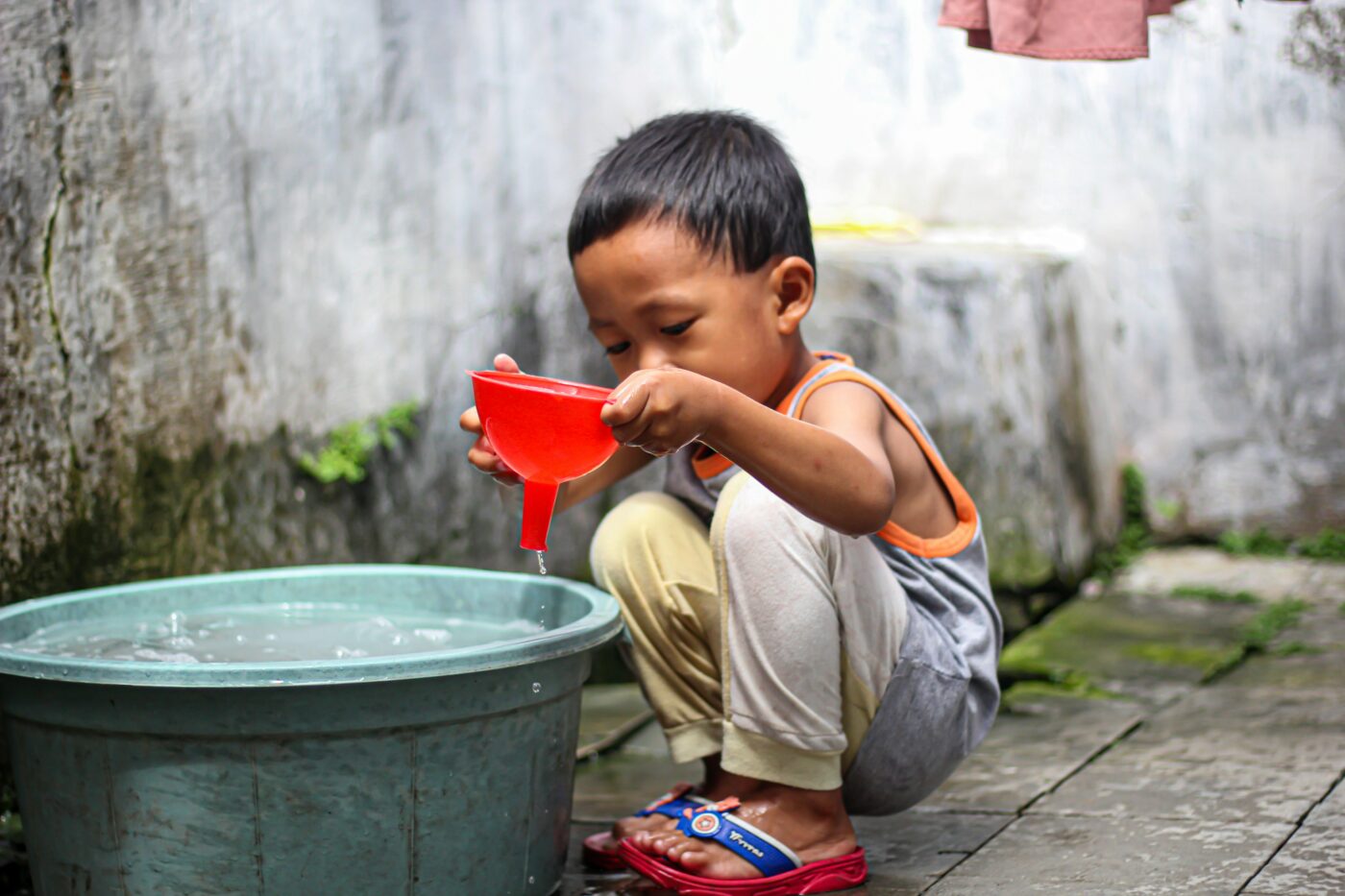
Dysentery, according to the World Health Organisation (WHO), is “any diarrhoeal episode in which the loose or watery stools contain visible red blood.”
This disease contributes to epidemics and outbreaks in the form of two main types: amoebic dysentery (amoebiasis), caused by the parasite Entamoeba histolytica and the much more common, bacillary dysentery, a bacterial infection caused primarily by Shigella, Salmonella, Campylobacter and Escherichia coli (Cleveland Clinic).
Dysentery-causing pathogens and bacteria are highly contagious and transmissible when faecal matter from an infected person makes contact with another person’s mouth; hence, sexual contact, food preparation in unsanitary conditions and consumption of contaminated water are at high risk of transmission. Because of these transmission pathways, dysentery is both highly infectious and difficult to control in areas with poor sanitation. It is responsible for over 165 million cases and approximately one million deaths globally each year (WHO). The burden falls disproportionately on regions lacking access to clean water and adequate hygiene infrastructure.
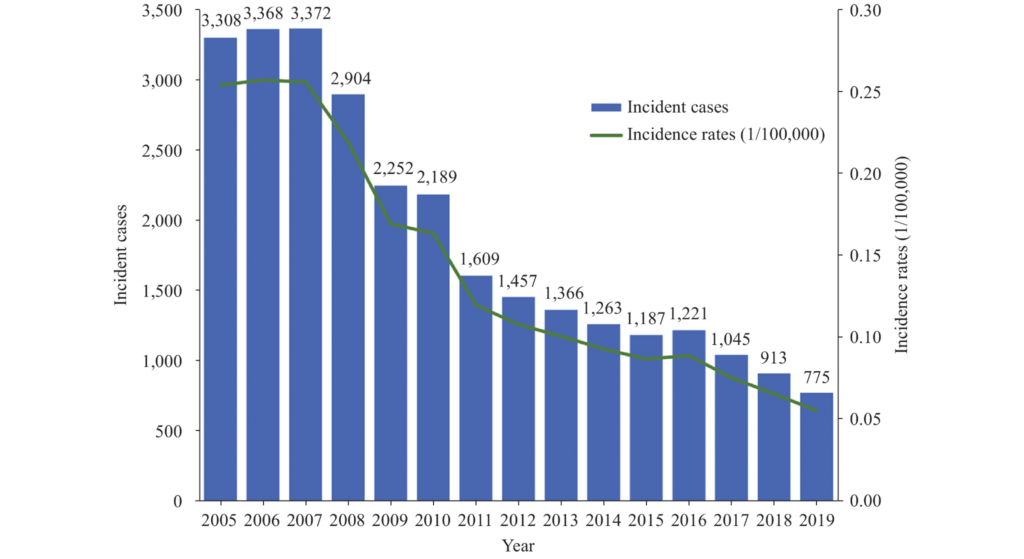
The symptoms of Bacillary dysentery may include nausea and vomiting, high fever, abdominal pain and diarrhoea containing blood or mucus, earning the common name of the “bloody flux”. Extreme cases may induce severe inflammation, kidney disease, and dilation of the large intestine (Cleveland Clinic). The fastest way to cure dysentery is with prescribed over-the-counter medication such as Pepto-Bismol, rest and to drink plenty of fluids to prevent dehydration.
Dysentery has been plaguing human society since the very beginning, breaking out in major epidemics since the 18th century and persisting as a major disease in the modern day. In the past, one of the most significant cases of a dysentery outbreak was during the Irish Potato Famine (1846 – 1849). During this period, Ireland suffered a major outbreak of the water mould, “Phytophthora infestans”, which caused potato tubers to rot in the ground. This issue was exacerbated by the country’s reliance on a monoculture of the “lumper” potato variety and by the large share of the remaining food exported to Britain. This led to 1 million deaths caused by starvation and related diseases, primarily dysentery. Epidemics of dysentery and similar diseases have been related to incidents of famine. While famine is not a direct cause of the infection, its correlation has been attributed to the neglect of personal and public hygiene, overcrowding in settlements, poor public sanitation and waste management, migration, vagrancy, transmission through pests such as flies, direct contact and consumption of faeces-polluted water (RTE, Laurence M. Geary, 2020).
While most modern societies have effective sanitation systems in place to curb the spread of dysentery-causing bacteria and pathogens, developing countries, especially in Southeast Asia, are still plagued by the disease. Thailand, Bangladesh, India and Indonesia are among the most heavily affected. India reported a diarrhoea outbreak within the limits of the Srikakulam Municipal Corporation in Andhra Pradesh, likely caused by contaminated drinking water. As of February 25, 2026, there were approximately 75–90 suspected cases and two deaths (Biothreats Emergence, Analysis and Communications Network (BEACON),2026).
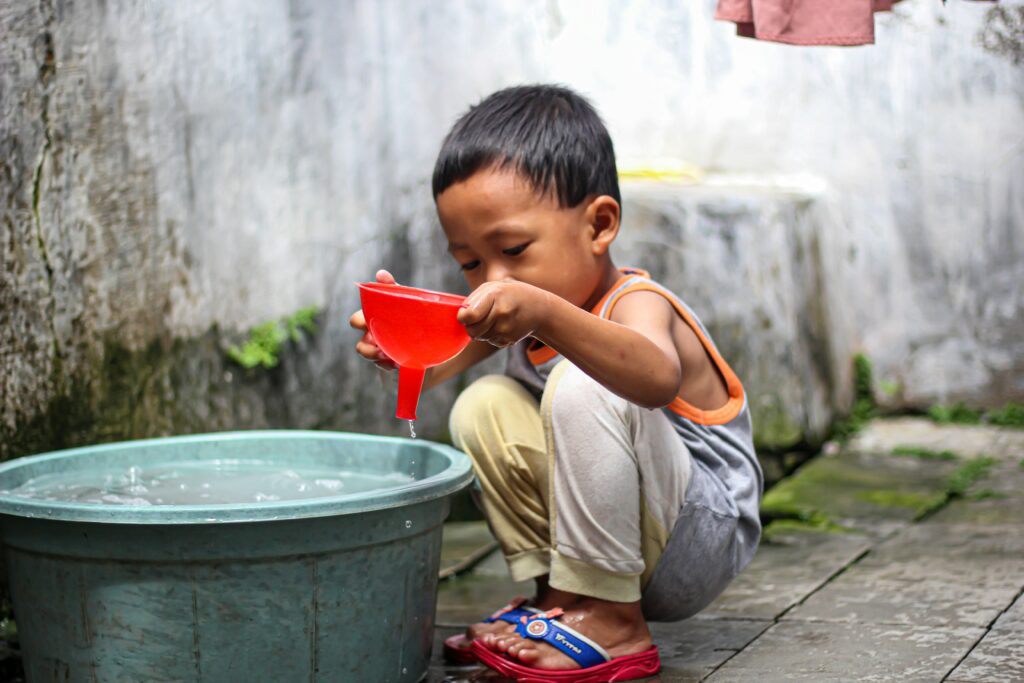
Modern cases of dysentery are related to poor WASH (Water, Sanitation and Hygiene) infrastructure, water contamination, worsened by flooding or broken pipes, and the emergence of drug-resistant strains of Shigella. Some treatment methods, such as over-the-counter medicine, remain inaccessible or ineffective to a portion of the infected population. A lack of clean water sources also contributes to a high volume of deaths through dysentery caused by dehydration. Ultimately, both historical and modern examples of dysentery underline a critical point: effective water and sanitation systems are essential to public health. Preventing dysentery is not just about treating infection—it is about ensuring equitable access to clean water, safe waste disposal, and basic hygiene. As a vaccine that immunises against Shigella is not currently in public circulation, sanitation is society’s primary line of defence against preventing future cases. Without these, the disease will continue to thrive where vulnerability is greatest.
Leave a Reply