
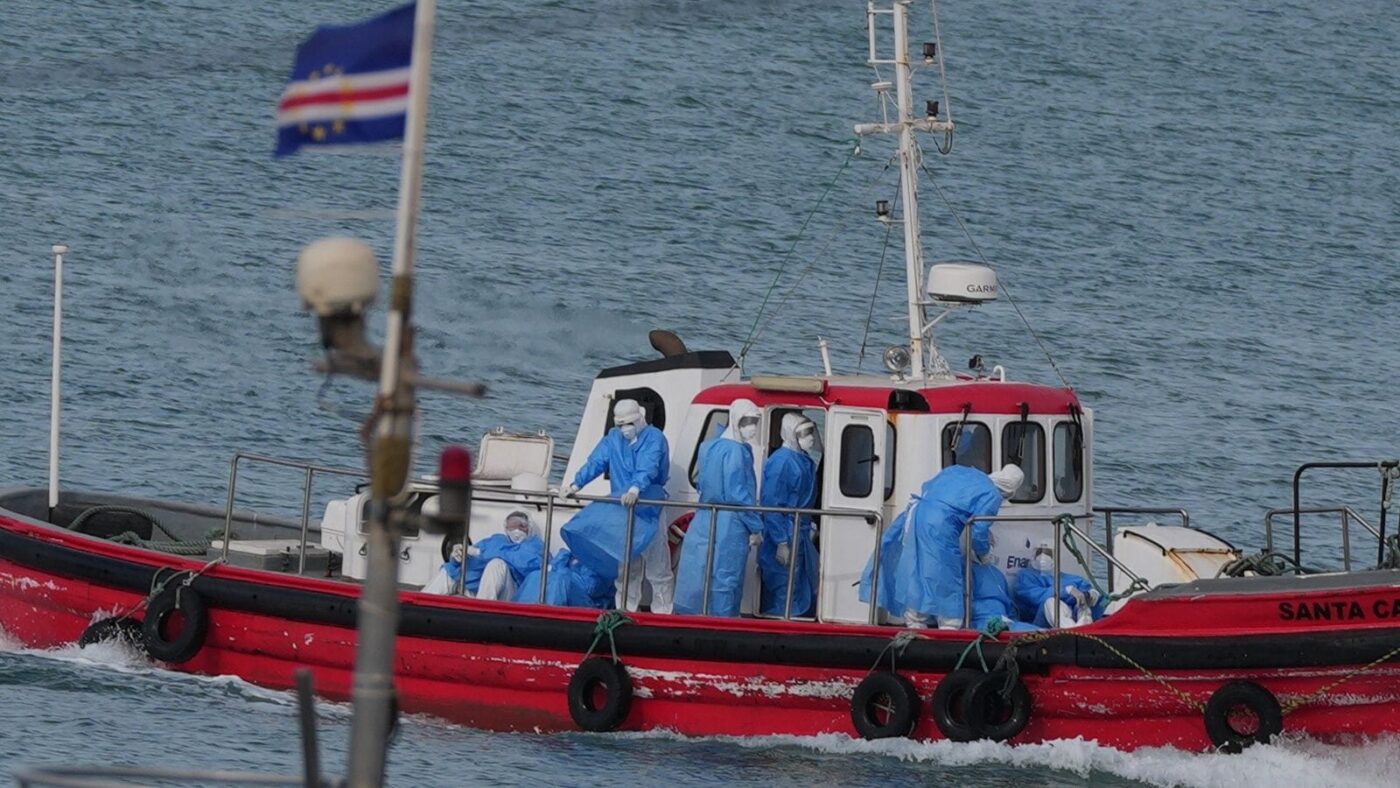
A ship in the middle of the Atlantic Ocean, flowing around like a closed box. Inside, 147 people, 3 of them are deceased, 1 fighting for their life.

This is the story of a Dutch cruise ship, closely monitored by the World Health Organization, that no country wanted to accept into its territory, and that contained one of the viruses with the highest mortality rate.
…
The cruise ship sailed from Argentina in March. It first made its way to Antarctica, then continued into the South Atlantic, eventually reaching Tristan da Cunha, one of the most remote places on Earth. From there, it was meant to continue toward the Canary Islands. However, before it could complete the journey, a Dutch passenger on board fell seriously ill and passed away.
The ship’s captain announced that there was no infection risk, based on information from the ship’s doctor, and that the ship was safe. Passengers assumed the death was due to the harsh ocean conditions and the long journey. However, within a week, first the deceased man’s wife, then another passenger died. After that, further testing revealed that hantavirus was spreading on the ship. The remaining passengers were evacuated and transported to the Netherlands.
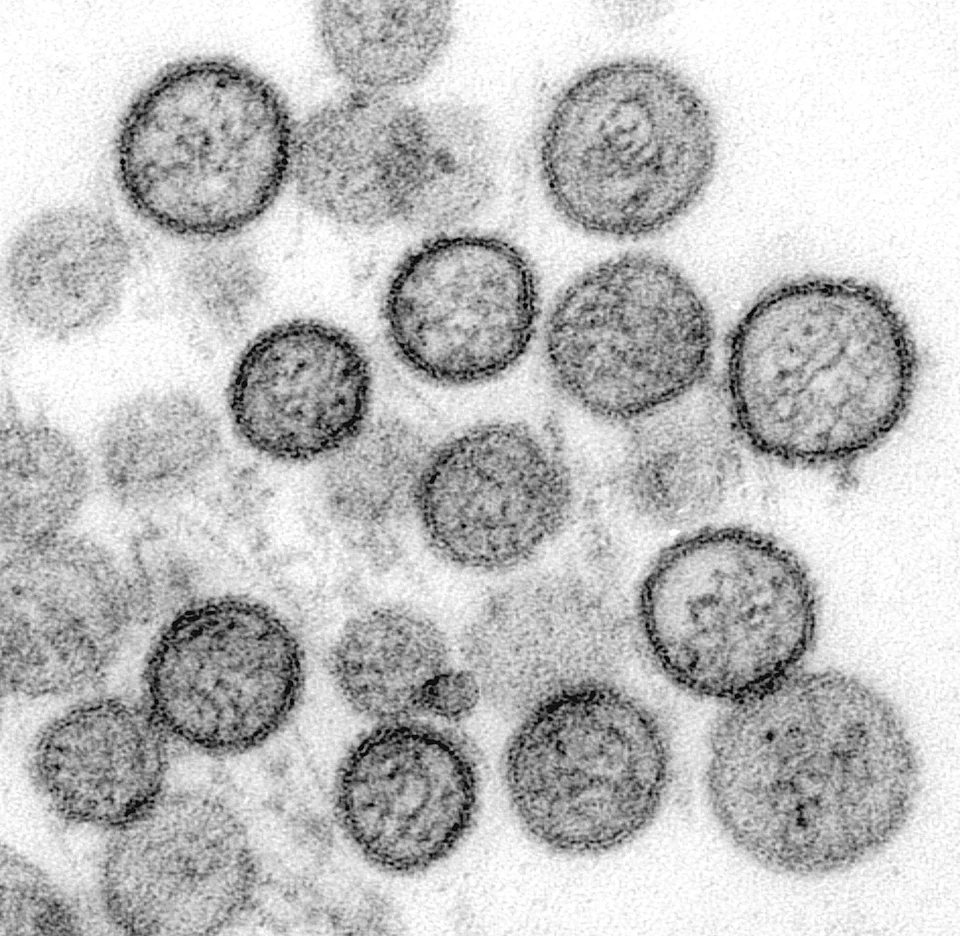
The news of the event spread very quickly, and now people are making conspiracy theories about how private companies profit from it and discussing the risk of transmission through human interaction. Although common belief has created a misconception, especially because of the growing theories around social media, Hantavirus is not spreading for the first time. The story of Hantavirus first started around the 1950s during the Korean War. It was named after a river, “Hantaan”, where the first cases of Hantavirus were seen. Since then, cases of Hantavirus have been seen around the world around 2000 times every year. And it is normally not transmitted through human interaction; what happens is that our dear virus-loving friend, bats, transmit this virus to field mice living in the wild. Then, when the mice’s feces and urine dry, the dust that people inhale while cleaning them causes the virus to be transmitted to humans. That’s how it spreads now, though back in the day, during the war, soldiers slept in muddy trenches alongside rodents, which caused the virus to spread at the time. [1,2,3]

You may be wondering, if it is not normally getting spread by human interaction, and it is transmitted from wild rats, which not many people interact with, there is an allegedly small number of people this virus could affect. So this begs the question, why is there talk about this virus becoming the next pandemic?

The fact is that Hantavirus has an average mortality rate of 38%. This is quite worrying because the infamous COVID had an average mortality rate worldwide of 2% even during the worst of it. But of course, just like back in COVID, this virus has variations as well. The variation that’s seen in America has a mortality rate of 20 to 60%, specifically because it affects the lungs of the diseased. Yet the variations that are seen in Europe and Asia have a lower rate of 1 to 15%. Unfortunately, this is where the cause of the concern arises. The variation that was found in the ship is called “Andes Hantavirus,” which is seen in South America. Over and above, researchers and scientists have been sharing information about how this specific variation has been known to be transmitted through human interaction. This was first discovered in 1996 because of the cases seen in America. In this current situation, it is understandable that some people are alarmed. But it must be known that transmission requires close, prolonged contact. [3,4,5]
…
Stay safe and healthy. For more information, check the information below.
“For 2023, 28 EU/EEA countries reported 1 885 cases of hantavirus infection (0.4 cases per 100 000 population)…Two countries (Finland and Germany) accounted for 60.5% of all reported cases. Prevention mainly relies on rodent control, avoidance of contact with rodent excreta (urine, saliva or droppings), and disinfecting areas contaminated by rodent excreta.” [1].
“There is no specific treatment for hantavirus infection. An antiviral drug called ribavirin is sometimes recommended as it has proven effective for a specific type of hantavirus that causes kidney failure; however, it has not been proven effective for lung and heart involvement. People who recognize signs of the infection early and promptly receive care may fare better than those who wait longer before seeking care. If the illness is recognized early, patients are given oxygen therapy to help them through the period of severe respiratory distress.” [7]
Resources:
[1]
“Hantavirus infection – Annual Epidemiological Report for 2023,” European Centre for Disease Prevention and Control, Mar. 07, 2025. https://www.ecdc.europa.eu/en/publications-data/hantavirus-infection-annual-epidemiological-report-2023
[2]
Enes, “DÜNYA BU VİRÜSE HAZIR DEĞİL! (5 Ölü),” YouTube, May 07, 2026. https://www.youtube.com/watch?v=qrmnI6T2Ldo (accessed May 09, 2026).
[3]
N. Mengü, “Hantavirüs Nereden Çıktı?,” www.youtube.com. https://www.youtube.com/shorts/AGA2BBLje6M (accessed May 09, 2026).
[4]
BBC News, “What is hantavirus and how is it spread? | BBC News,” YouTube, May 05, 2026. https://www.youtube.com/watch?v=yZTMkyq6fyY (accessed May 07, 2026).
[5]
P. H. A. of Canada, “Prevention of a hantavirus infection,” aem, Jan. 27, 2015. https://www.canada.ca/en/public-health/services/diseases/hantaviruses/prevention-hantavirus-infection.html
[6]
“Hantavirus | RIVM,” Rivm.nl, 2026. https://www.rivm.nl/en/hantavirus (accessed May 09, 2026).
[7]
R. H. Shmerling, “Hantavirus explained: What to know after the cruise ship outbreak – Harvard Health,” Harvard Health, May 06, 2026. https://www.health.harvard.edu/immune-and-infectious-diseases/hantavirus-explained-what-to-know-after-the-cruise-ship-outbreak
Leave a Reply