
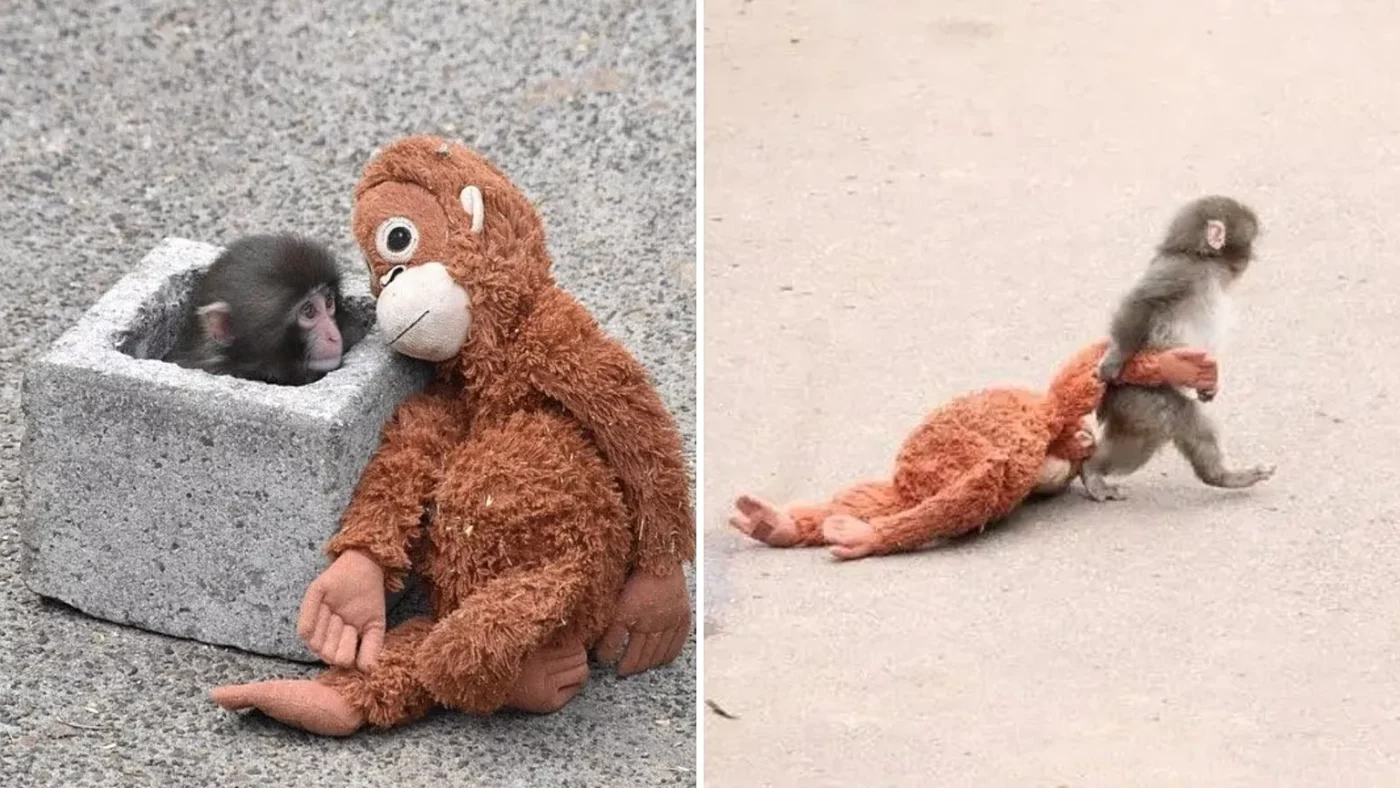
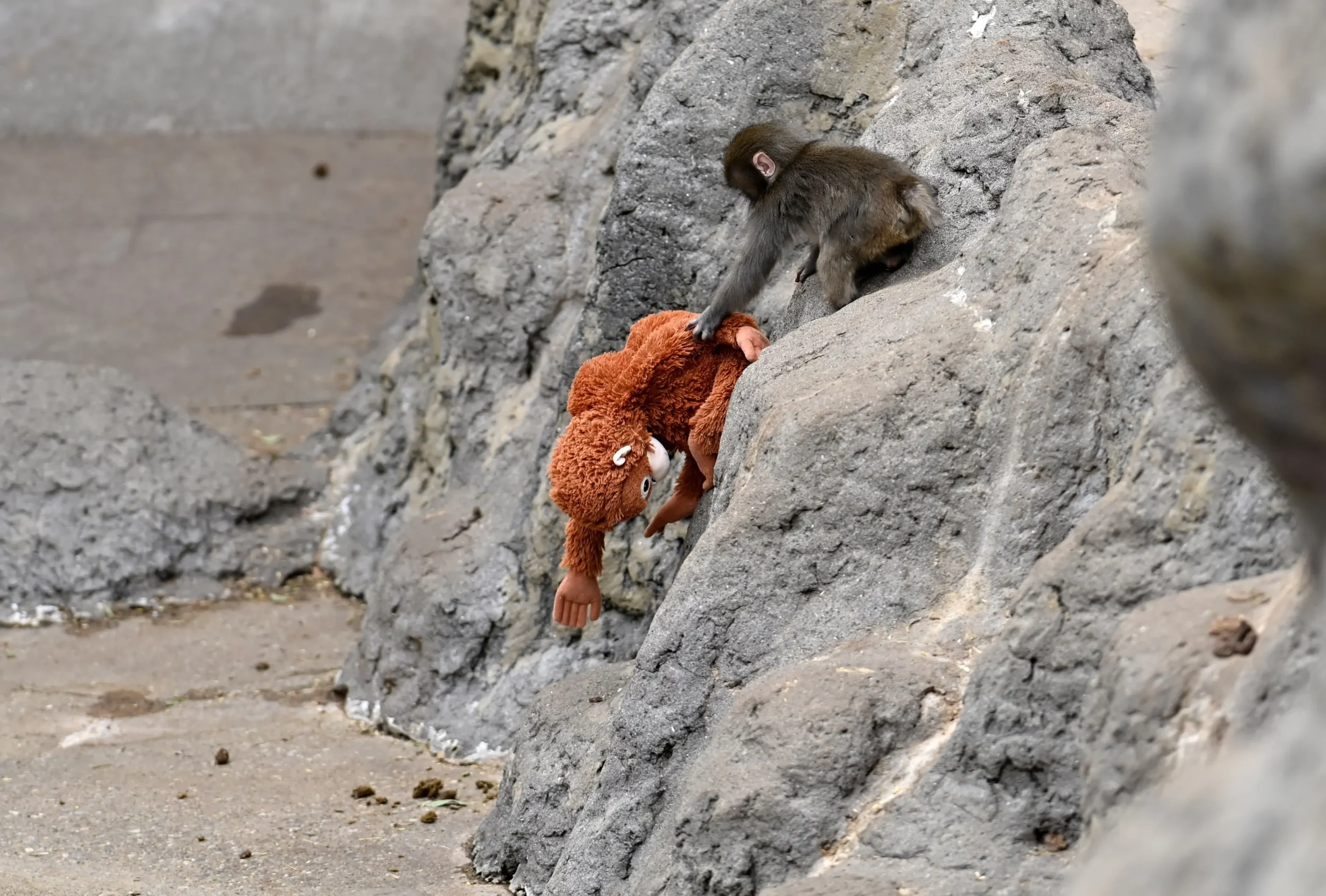
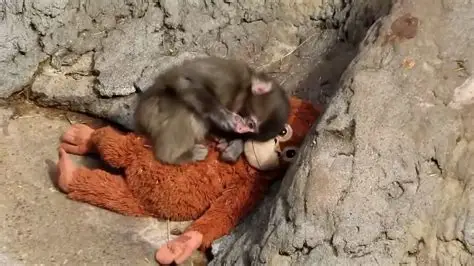
You’ve probably seen the viral photos and videos: a tiny Japanese macaque named Punch, clinging to an IKEA baby plushie like it’s his emotional support soulmate. The internet fell in love instantly, and honestly, same! But behind the adorable scenes lies a surprisingly deep story about stress, survival, and how animals cope when things go wrong.
Punch’s life didn’t start easy. Born in the middle of a brutal heatwave, his mother, a first‑time mom, was completely drained and showed no signs of caring for him. She abandoned him shortly after birth, something that zookeepers say isn’t unheard of in the monkey world. Extreme heat, exhaustion, and the stress of a first birth can push a mother into survival mode, where she instinctively prioritises her own health over caring for a newborn. In Japan’s 2024 heat, which caused over 50 human deaths, it’s not surprising that animals suffered too especially in captive environments where the climate isn’t natural to them.
Zookeepers Kosuke Shikano and Shumpei Miyakoshi stepped in from day one, hand‑feeding and caring for Punch. Baby macaques normally cling to their mother’s fur to feel safe and develop their muscles, but Punch didn’t get that chance. So the keepers tried substitutes and that’s when the IKEA plushie entered the chat. Punch snuggled it immediately, treating it the way he would have treated his mother: a source of warmth, comfort, and emotional security. Experts say the plush is acting as an “attachment figure,” something young monkeys still need at his age.
The Bigger Picture: Habitat Loss, Climate, and Human Impact
But Punch’s story is about more than just maternal abandonment. Experts point out that it raises bigger questions about climate stress, habitat loss, how zoos handle animal welfare, and how social media shapes our reactions to animals. Japanese macaques are incredibly intelligent — which, unfortunately, also makes them targets for biomedical research in Japan. They’re also sometimes killed because they raid crops, highlighting the ongoing conflict between wildlife and shrinking habitats.
As adorable as Punch is, specialists warn that viral animal stories can unintentionally encourage the illegal exotic pet trade. People see a cute baby monkey hugging a plush toy and think, “I want one!” — when in reality, owning primates is harmful, dangerous, and deeply unethical.
Punch’s connection with his plushie is heartwarming, but it’s also a reminder: animals feel stress, heat, and fear just like we do. And sometimes, their stories tell us far more about our world than theirs.
Leave a Reply